Educator Resource Center
Welcome to the Educator Resource Center where you will discover resources to support classroom instruction, professional learning, leadership work, and informal learning.


BSCS Biology: Understanding for Life
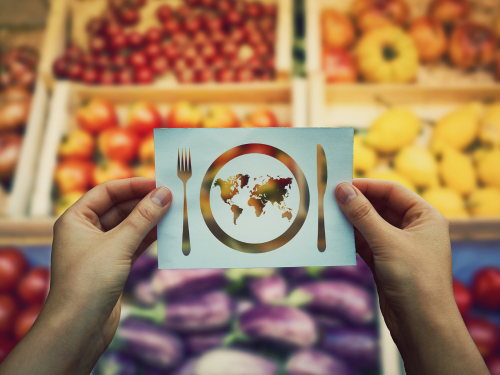
Our new program, BSCS Biology: Understanding for Life, is designed to prepare high students for life in our complex, interconnected world.
OpenSciEd High School Physics Units
BSCS Science Learning led the development of the OpenSciEd High School Physics Course. The complete one-year program is now freely available.
OpenSciEd Middle Grades Science Units
Led by BSCS Science Learning, a national consortium of curriculum developers and researchers created a three-year middle school science program for free distribution.
5D Assessment Development Tools
Inspired by A Framework for K-12 Science Education, this project was developed to support secondary science teachers in adopting "five-dimensional" assessment practices that explicitly attend to students' interests and identities.
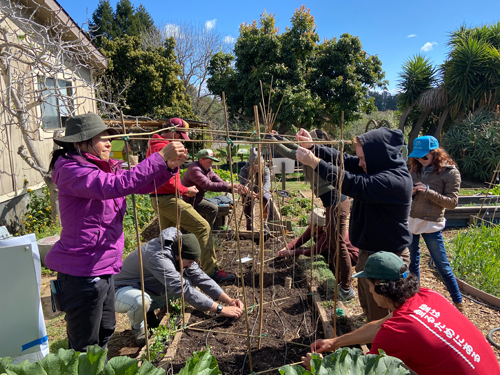
Engineering in the Garden
Engineering in the Garden is a free resource designed to help students address real world issues that arise in school gardens through engineering.

Invitations to Inquiry with FieldScope
Invitations to Inquiry are instructional activities designed to help middle and high school students work with community and citizen science data. The data are from a range of projects hosted on BSCS’s interactive platform, FieldScope.
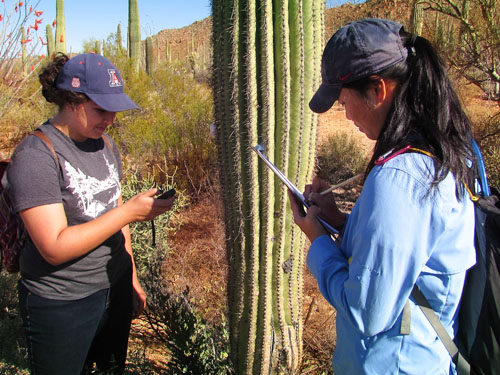
FieldScope
FieldScope, an interactive digital platform, is transforming the way educators, community members, and organizations engage in citizen science.
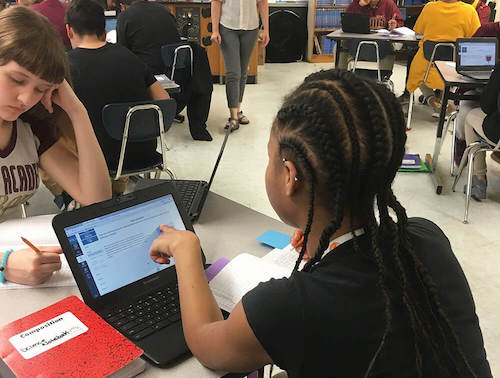
A Medical Mystery
BSCS’s 3D middle school science program, A Medical Mystery, supports teachers in the effective instruction of an NGSS-aligned, EQuIP-reviewed body systems curriculum unit.
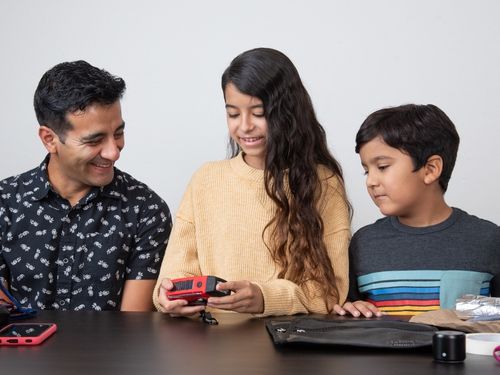
Making Waves with Radio
Making Waves with Radio is a suite of museum activities, apps, and camp curricula, for engaging educators, youth, and public audiences about radio technologies.
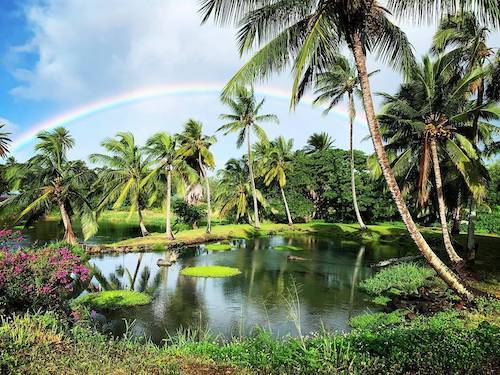
Restoring Ea Middle School Science Unit
Restoring Ea is a place-based, three-dimensional, and phenomenon-focused unit specifically designed for seventh grade teachers and students in central O'ahu.
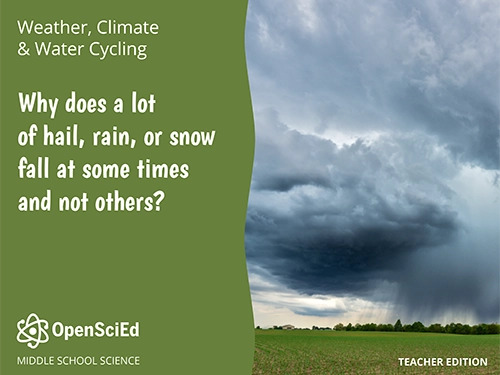
Weather, Climate & Water Cycling
In this 6th grade unit, students explore weather, climate, and water cycling in four separate lesson sets.
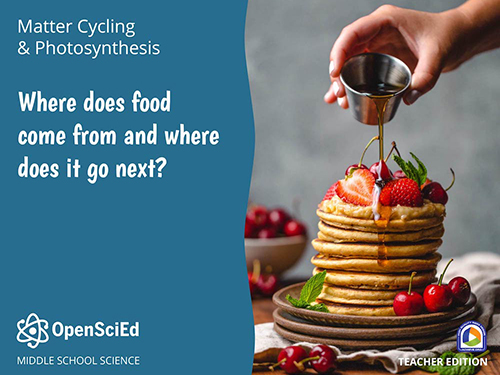
Matter Cycling & Photosynthesis
In this 7th grade unit, students question where their food comes from and consider which breakfast items might be from plants.
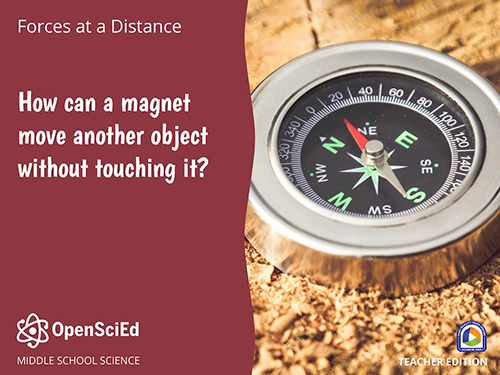
Forces at a Distance
In this 8th grade unit, students explore the cause of a speaker’s vibration as opposed to the effect.
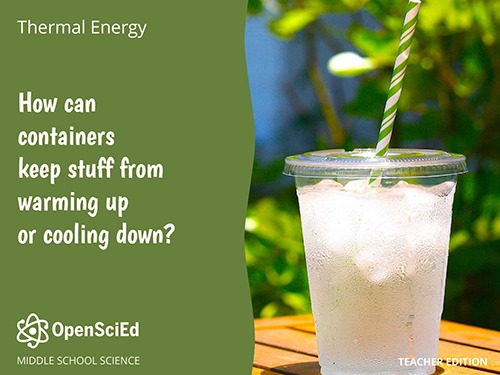
Thermal Energy
In this 6th grade unit, students are challenged to create a cup that keeps drinks cold longer.
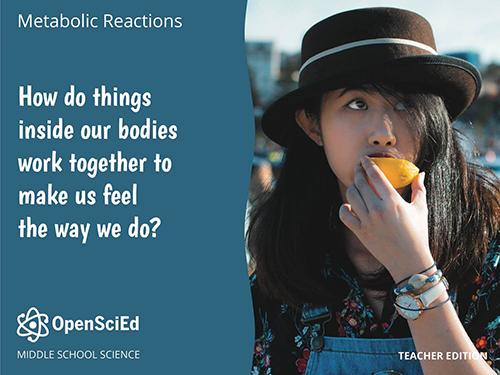
Metabolic Reactions
In this 7th grade unit, students investigate a real case study of M’Kenna, a 13-year-old girl, who reported some alarming medical symptoms to her doctor.
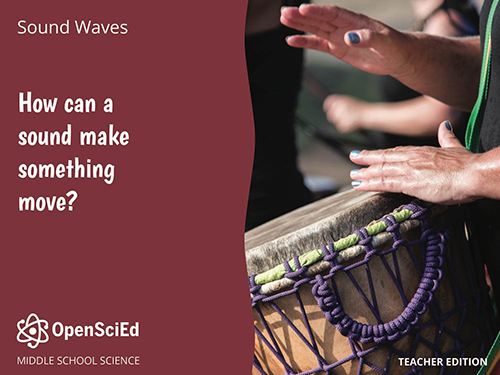
Sound Waves
In this 8th grade unit, students investigate how sounds can cause objects at a distance to move.
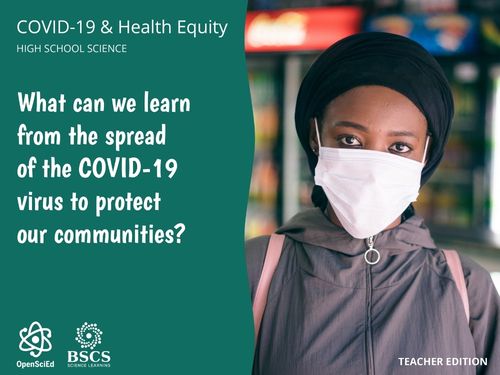
COVID-19 & Health Equity Units
These high school science, middle school science, and K-5 units are freely available for download.
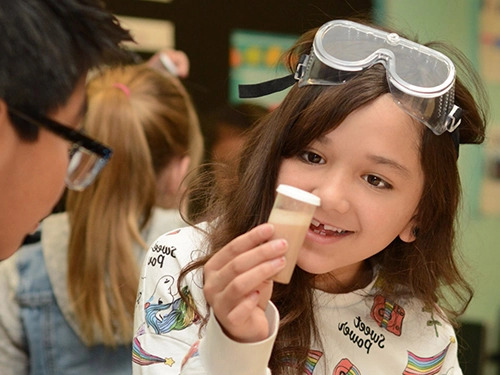
BSCS Science Learning Videoverse
BSCS offers free science classroom video resources for teacher learning.

BSCS Science Learning Seminar Series
BSCS Seminar Series brings distinguished speakers to share ideas and present their latest work to our community conversations.
NextGen TIME
NextGen TIME is a suite of tools and processes for curriculum-based professional learning that supports educators with the evaluation, selection, and implementation of instructional materials designed for next generation science.
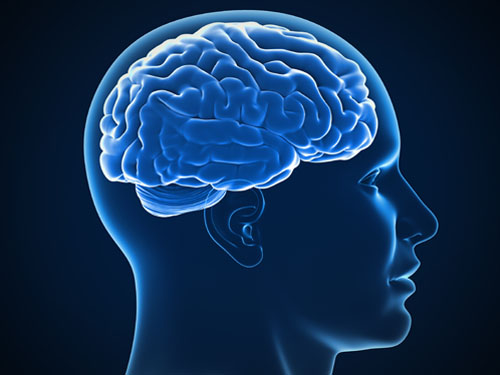
Drug Abuse, Addiction, and the Adolescent Brain
BSCS curriculum unit teaches middle school science students about drug abuse and addiction in relevant contexts.
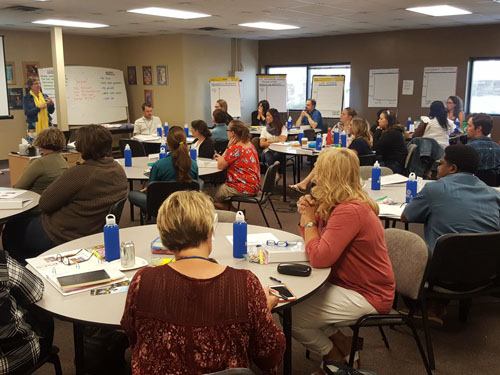
Five Tools and Processes for Translating the NGSS
Five Tools and Processes is designed to help professional development leaders work with teachers on curriculum, instruction, and assessment to achieve the vision of NGSS.
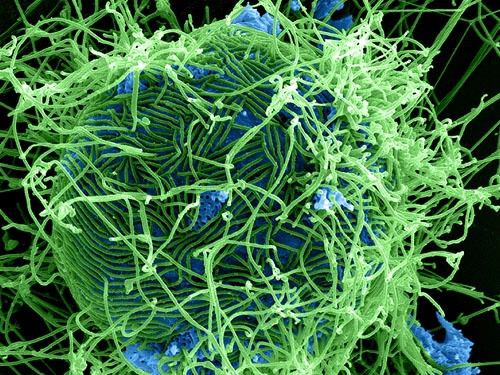
Understanding Ebola
Understanding Ebola Virus Disease is a free resource designed to educate teachers, students, and community members about Ebola and the factors that influence its spread.

Resources for Environmental and Geography Educators
Do you teach geography, environmental science, or similar classes? Here we have consolidated some recommended free lessons and units that may work for your classroom.
Past Projects
Looking for something that used to be here? Check our page of archived resources.